

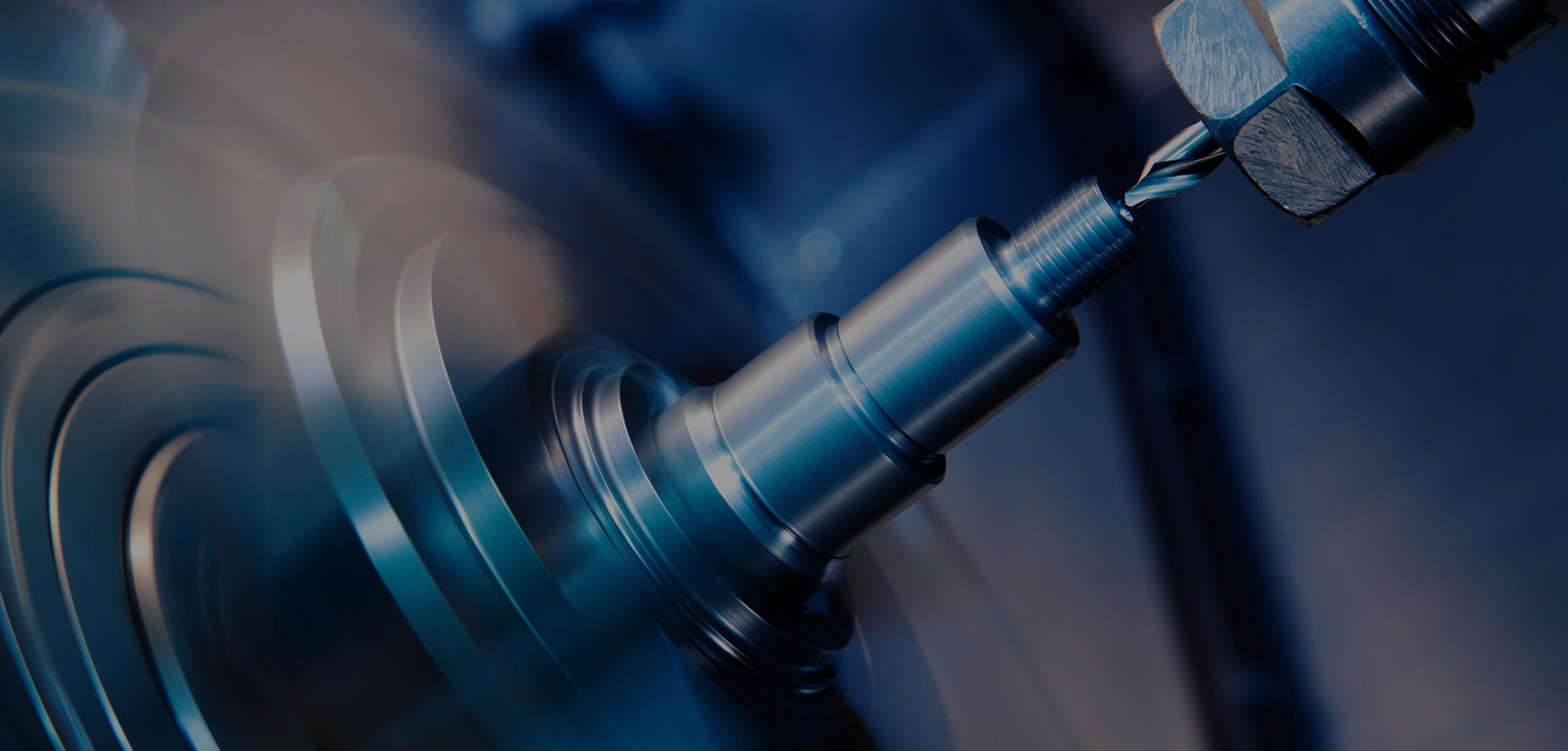
Technical applications of CNC machine tools
Release time:
2024-05-20
CNC machine tool is a kind of automatic machine tool equipped with program control system, which can make the machine tool move and process parts according to the programmed program. It synthesizes the latest technology of machinery, automation, computer, measurement, microelectronics, etc., and uses a variety of sensors. Sensors applied on CNC machine tools mainly include optical encoders
CNC machine tool is a kind of automatic machine tool equipped with program control system, which can make the machine tool move and process parts according to the programmed program. It synthesizes the latest technology of machinery, automation, computer, measurement, microelectronics, etc., and uses a variety of sensors. Sensors applied on CNC machine tools mainly include optical encoders, linear encoders, proximity switches, temperature sensors, Hall sensors, current sensors, voltage sensors, pressure sensors, liquid level sensors, resolver, inductive synchro, speed sensors, etc., which are mainly used to detect position, linear and angular displacements, speed, pressure, temperature and so on. , linear and angular displacement, speed, pressure, temperature and so on.
1, CNC machine tools on the sensor requirements
1) high reliability and strong anti-interference.
2) to meet the requirements of precision and speed.
3) easy to use and maintain, suitable for machine tool operating environment; 4) low cost.
4) low cost.
Different types of CNC machine tools on the sensor requirements are not the same, in general, large machine tools require high speed response, medium-sized and high-precision CNC machine tools to require precision.
2, the application of induction synchronizer
Induction synchronizer is the use of two plane-shaped winding mutual inductance with the position of the principle of different changes made. Its function is to angle or linear displacement into the phase or amplitude of the induction electromotive force, can be used to measure linear or angular displacement. According to its structure can be divided into linear and rotary two kinds. Linear induction synchronizer by the ruler and slide rule two parts, the ruler is installed in the machine bed, slide rule installed in the moving parts, moving with the table; rotary induction synchronizer stator for the fixed disk, rotor for the rotation of the disk. Induction synchronizer has the advantages of high precision and resolution, strong anti-interference ability, long service life, simple maintenance, long-distance displacement measurement, good workmanship, lower cost and so on. Rotary inductive synchronizers are widely used in rotary tables of machine tools and instruments as well as in various rotary servo control systems.
Yuxi Jinfu intelligent equipment Co., LTD
Contact number:Mr. Lee13887746001
Mr.Shi13708777349
Company landline:0877 -6772666
Company email:573009925@qq.com
Company address:No. 16 Chuangye Road, Guanyinshan Area, Hongta Industrial Park, Yuxi City, Yunnan Province
Quick navigation
Follow us

Mobile end
Follow us